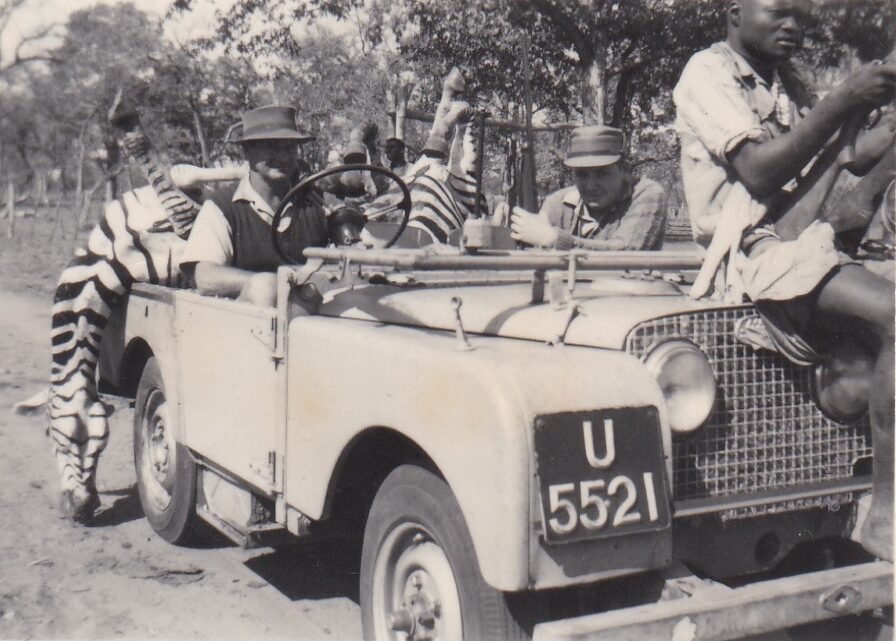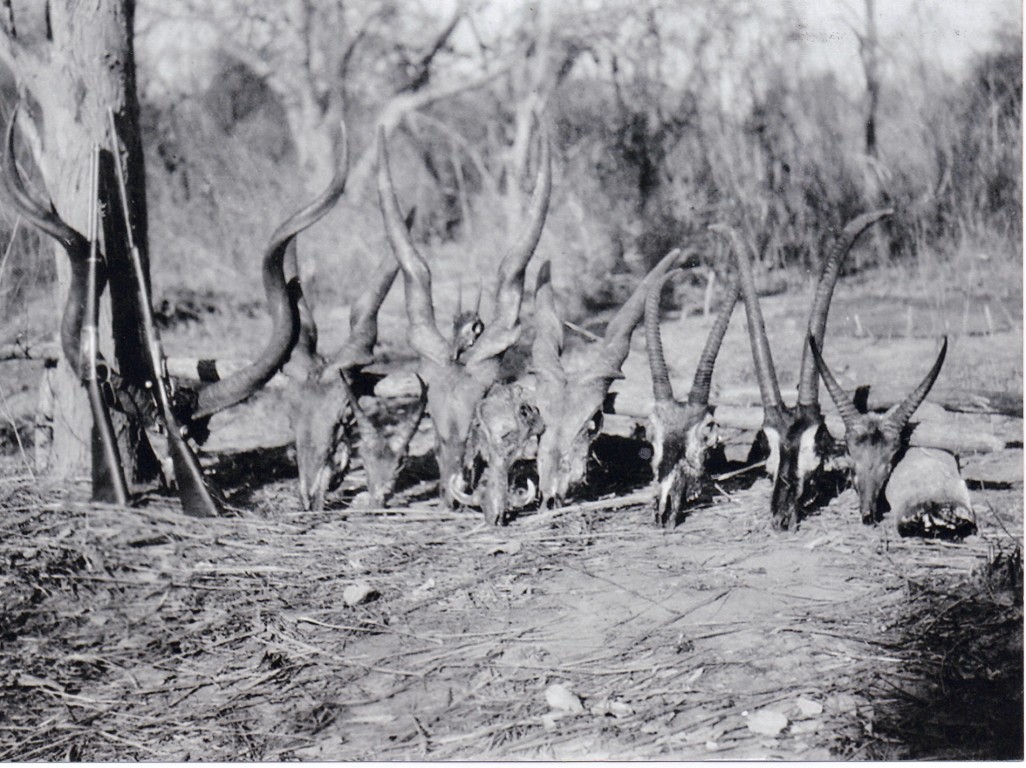

Both Ananda and Graham’s childhoods are best remembered through the stories told by parents and grandparents—tales of adventure, hardship, and life in Africa.
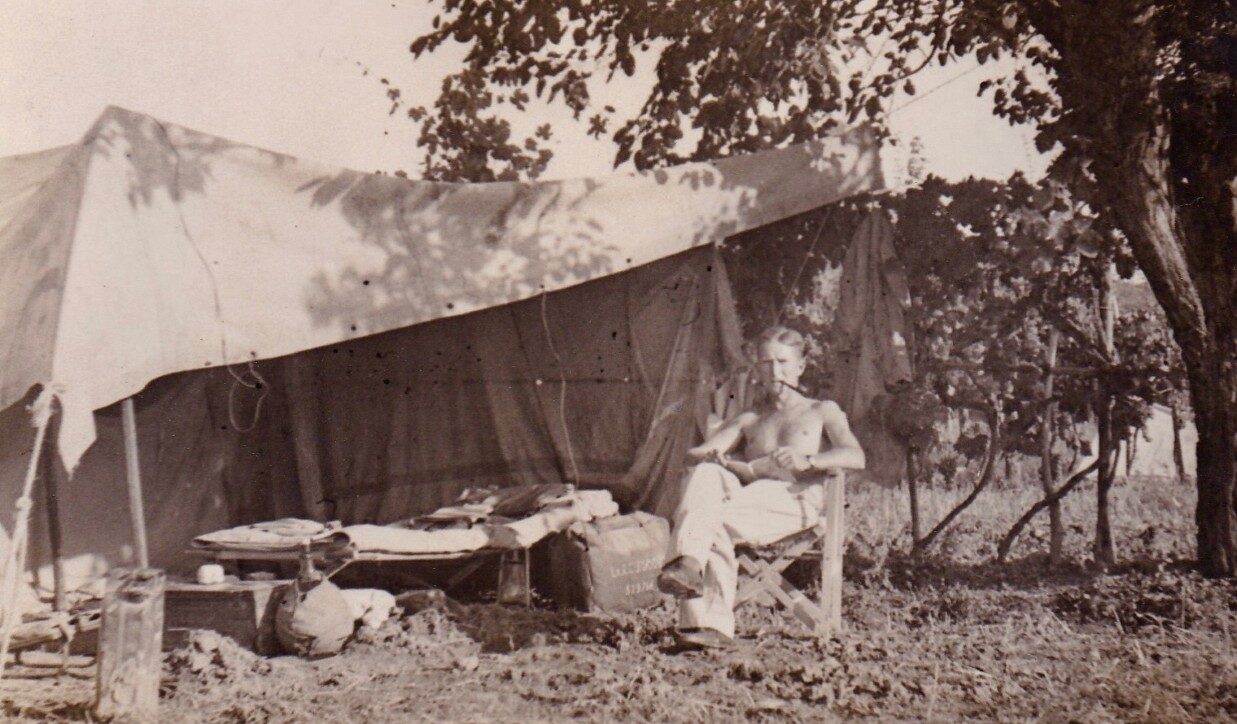
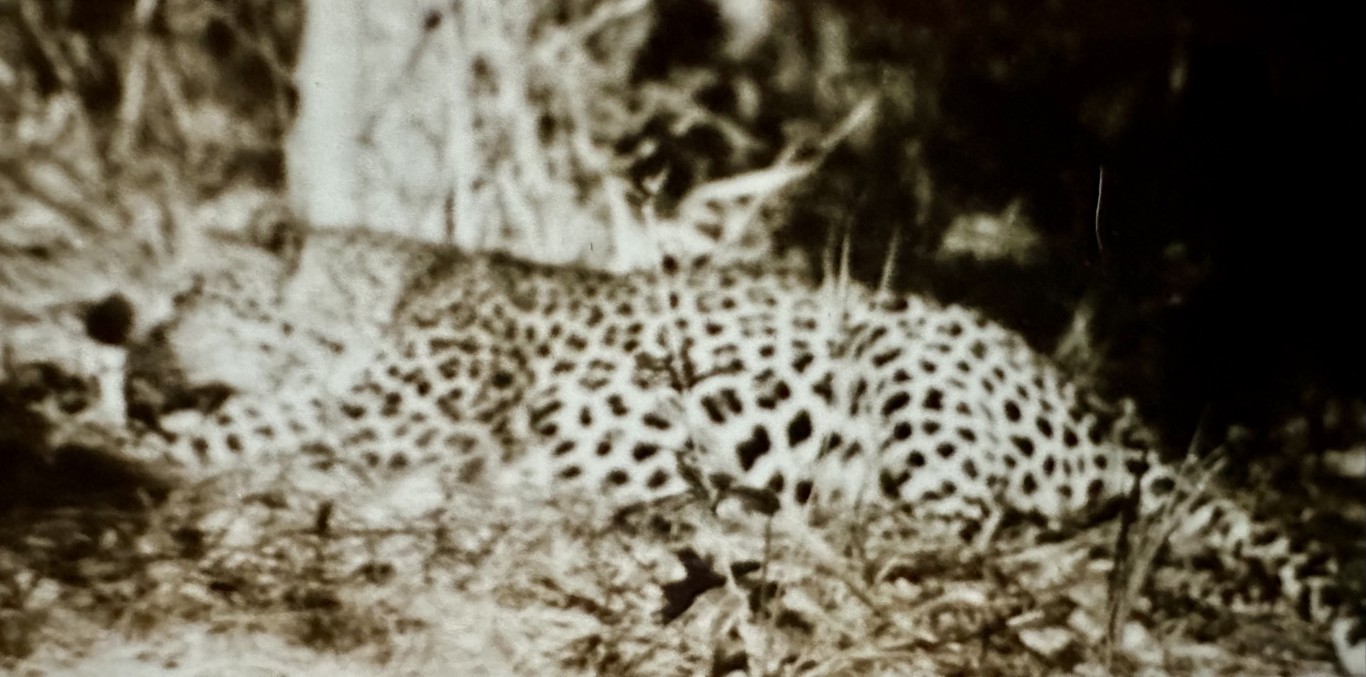
One of Graham’s favourite stories is about his grandfather, Walter Jones, who lived alone for months at a time while prospecting in the bush of Northern Rhodesia. His only companion was his Jack Russell terrier. Tragically, one night the dog was killed by a leopard. After numerous attempts to trap the animal, Walter eventually shot the leopard. The skin was tanned and kept as a memento, later becoming a rug in front of his fireplace. At dinner parties, he would challenge guests to find the bullet hole. No one ever could—until Grandpa would stand up, lift the tail, and point to the spot!
 Graham and Ananda are fourth- and eleventh-generation South Africans respectively. Ananda’s forefathers, the Swanepoel’s (of Dutch origin), arrived in the Cape as early as 1658. Along with her maternal Botha ancestors, they were part of the Great Trek, moving north into the interior of South Africa. Generations later, her grandfather, P.A. “Oupa Swannie” Swanepoel, became a respected animal researcher at Onderstepoort Veterinary College. Her grandmother was a Hickey of Irish descent, and her great uncle, Will Hickey, was a renowned Afrikaans children’s author. Several of his books were translated into English and used as school setworks, with Two for a Farthing being among the most well known.
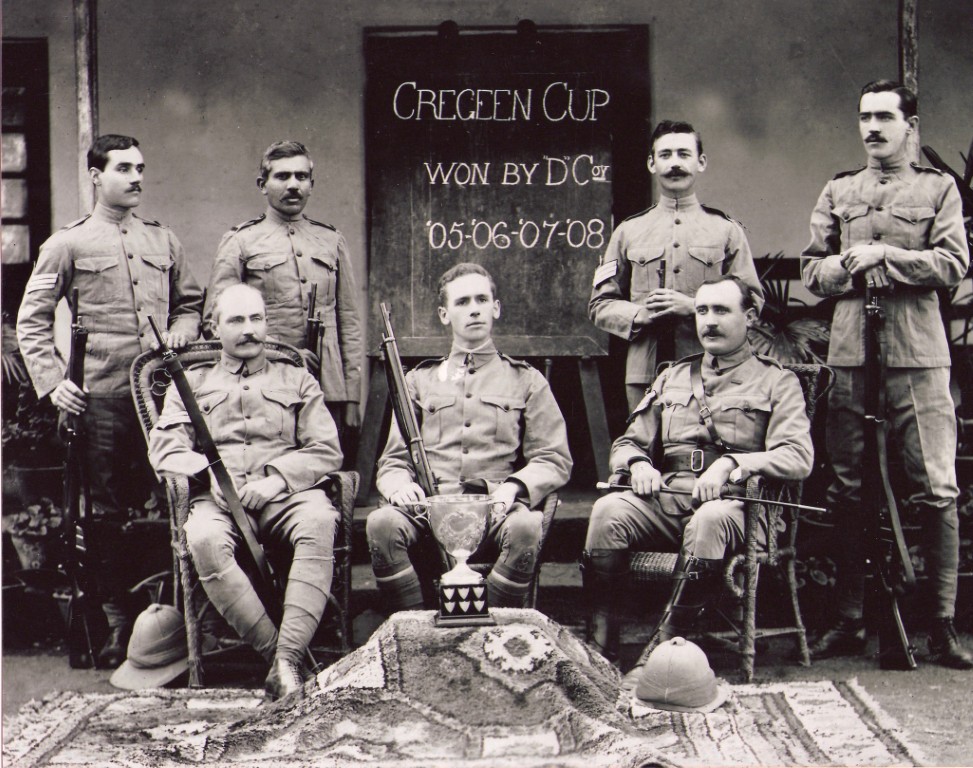
Graham’s ancestry traces back to Admiral Edward Codrington, a distinguished Royal Navy officer and hero of the Battle of Trafalgar in 1805. His eldest grandson, William Robert Codrington (1867–1932), arrived in South Africa with the Light Horse Division during the Boer War in 1899. He fought in the defence of Ladysmith, particularly around Wagon Hill, and survived being shot by Boer forces.
With Dutch heritage on Ananda’s side and British heritage on Graham’s, it is quite possible that ancestors from both families fought on opposing sides during the two Boer Wars.
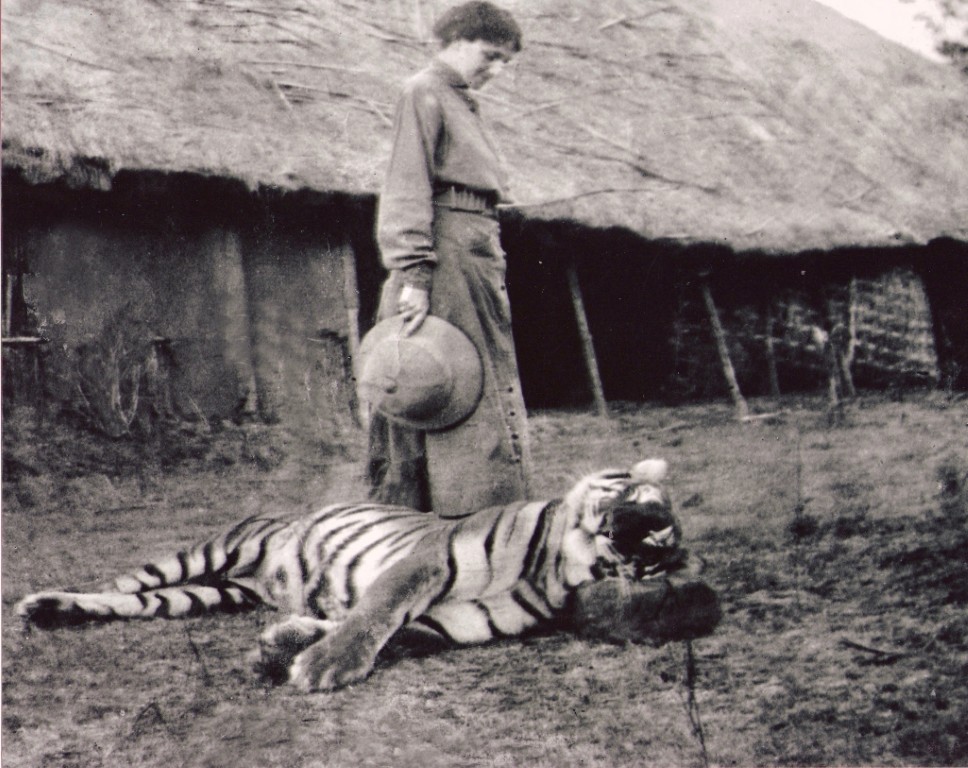
Beyond military service, their forebears were hunters, farmers, prospectors, miners, missionaries, and government administrators—many playing significant roles during Africa’s colonial era. Life was hard, but deeply adventurous, in a time when Africa was the greatest game field the world had known, and hunting was often essential for survival.
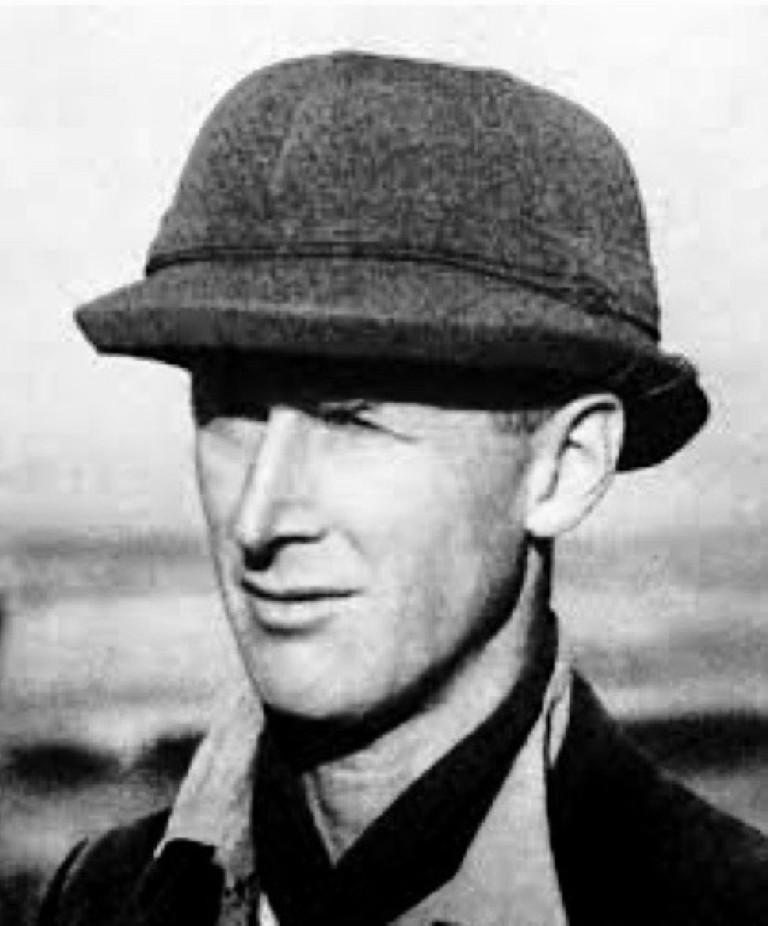
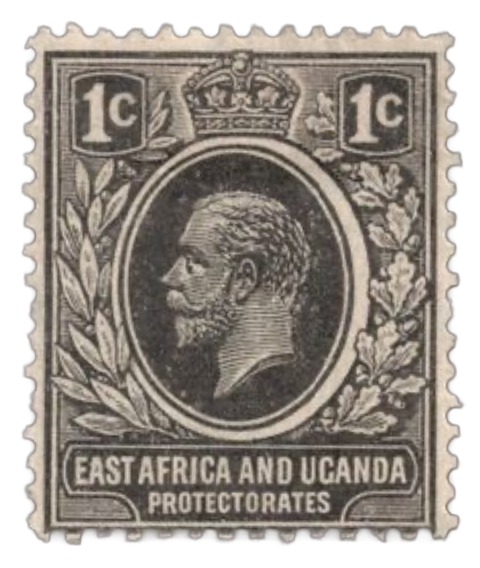 Graham’s hunting heritage dates back to the 1920s through kinship to the legendary “White Hunter,” the Hon. Denys Finch Hatton, who had a long relationship with author Karen Blixen (Isak Dinesen) of Out of Africa fame. Alongside his friend Bror Blixen, Finch Hatton guided the Prince of Wales—later King Edward VIII—on safari. Later in his career, and encouraged by the King, Denys became instrumental in initiating wildlife reserves such as the Serengeti, helping usher in a new school of hunters dedicated to conservation. While following up two male lions with J.A. Hunter, Denys shot both charging animals. J.A. Hunter later described him as the bravest hunter he had ever met.
Graham’s great great-uncle, Sir William (Billy)Goode, was both an author and administrator and contributed to the relief of Warsaw during World War I. His great-grandfather, Sir Richard A. J. Goode, served as Governor and Head of Railways in Northern Rhodesia and is credited with designing the coat of arms still used in Zambia today.
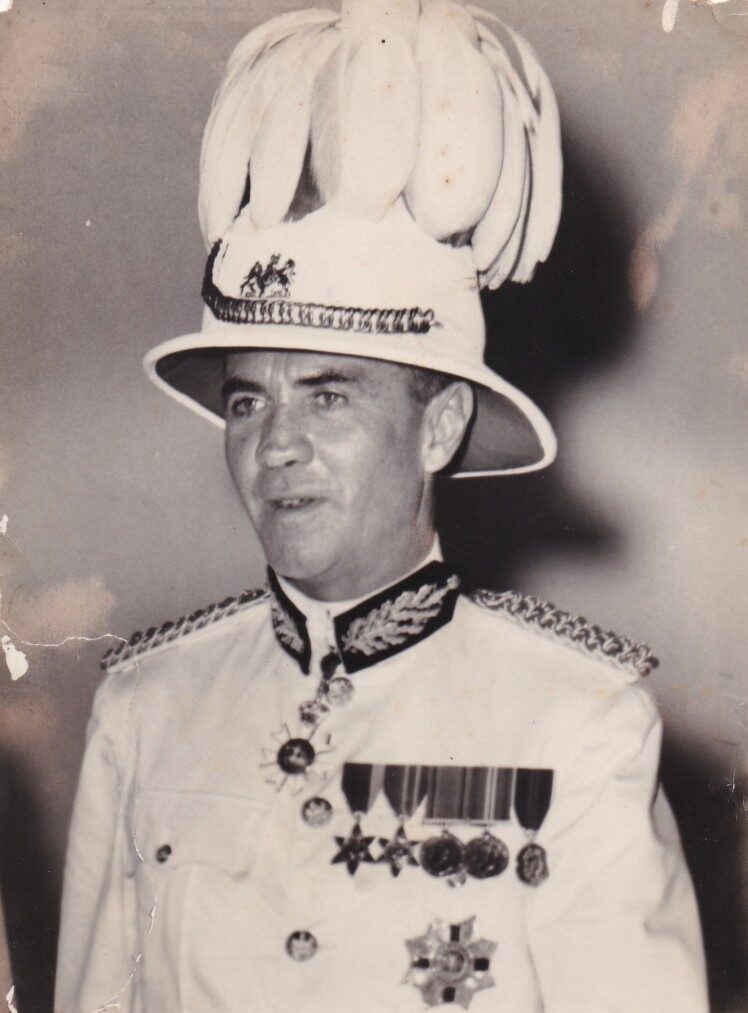
Graham’s great uncle, Sir William (Bill) A.C. Goode (GCMG. KSTJ) was a prisoner of war in Japan for two years during World War II. After surviving captivity of 2 years & working on the “Death Railway”, he went on to serve as the last Governor of Singapore (1957 – 1959) & governor of North Borneo (1960 – 1963). In 1959 he served briefly as Yang Di-Pertuan Negara (head of state) of Singapore.
All three generations were knighted for their service to the British Empire.
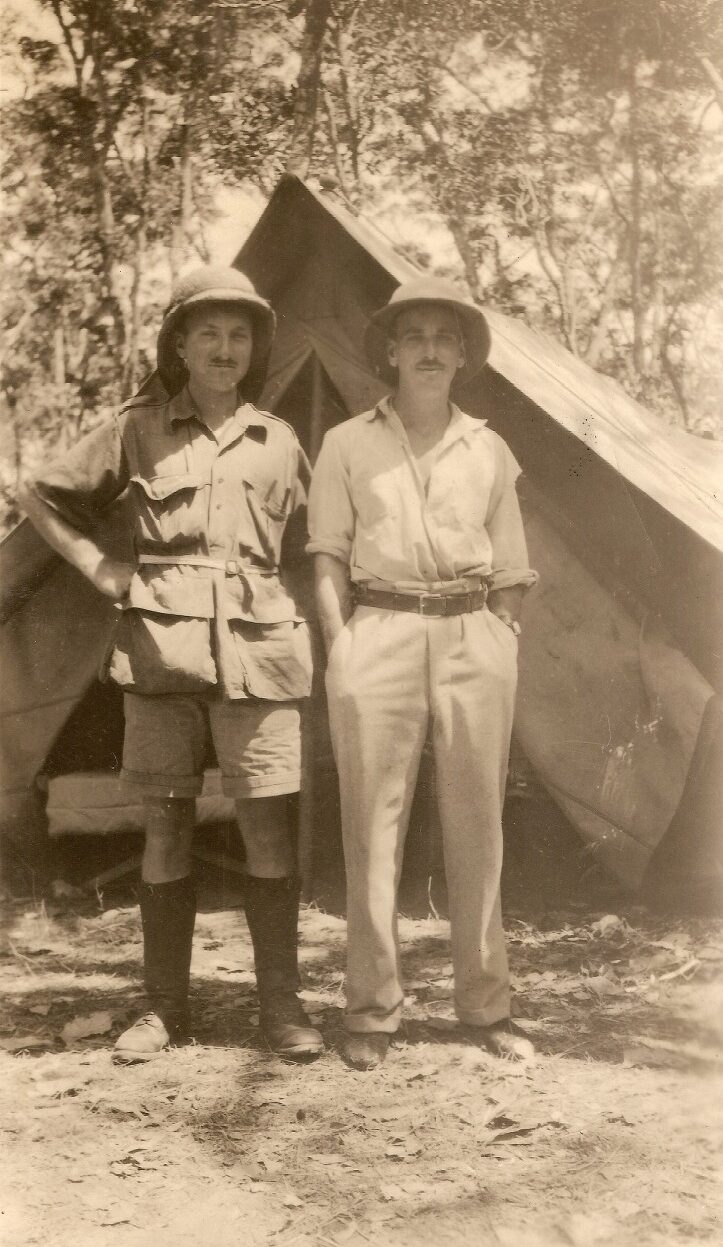
Graham’s grandfather, Jeffrey Goode, was a Cambridge graduate and geologist who earned his “Blues” (highest sporting honour) in cross-country running. He served with Allied forces during World War II in Egypt and Italy before becoming a prominent mining engineer and President of the Chamber of Mines in South Africa.
His younger brother, George Goode CBE, DSO, born in Northern Rhodesia, became the youngest Brigadier in the army of Northern Rhodesia Regiment (N.R.R) at the time and later served as commander of the 70th East African Brigade in Nanuki, Kenya.
Another intriguing family story involves a relative who was subpoenaed to testify in the infamous 1941 “Happy Valley” murder trial in Kenya—a case later chronicled in White Mischief and left unsolved for 66 years.
Ultimately, it was their parents who provided the opportunities—introducing them to travel, the outdoors, and hunting, while also instilling deep respect for the animals they pursue. Influenced by family and friends alike, it was only natural that, given their upbringing and legacy, Ananda and Graham would inherit a spirit of adventure. This sense of nostalgia and history lives on in the way they conduct safaris today.
The Mess Hall at Kifaru Game Reserve stands as a tribute to their families’ heritage, adorned with photographs, heirlooms, memorabilia, and campaign furnishings—hoping the legacy continues for generations to come.